How to Spot a Home with Great Resale Potential

Buying a home is about more than finding the perfect place to live today—it's also about making a smart investment for the future. Even if you plan to stay in your home for years, life can change unexpectedly. Whether it's a new job, a growing family, or simply the desire for a different lifestyle, choosing a home with strong resale potential can help protect your investment when it's time to sell.
Here are some of the most important factors to consider when evaluating a home's long-term value.
1. Prioritize the Location
You've probably heard the phrase, "Location, location, location," and for good reason. A home's location is one of the few things that can never be changed.
Look for neighborhoods that offer:
Highly rated schools
Nearby shopping, dining, and entertainment
Parks and recreational spaces
Convenient freeway or commuter access
Low crime rates and strong community appeal
Homes in desirable locations tend to attract more buyers and hold their value better over time.
2. Choose a Functional Floor Plan
While design trends come and go, functional layouts remain timeless. Buyers consistently appreciate homes with open living areas, spacious kitchens, generous storage, and flexible rooms that can serve as home offices, guest rooms, or playrooms.
A practical floor plan can significantly increase your home's future marketability.
3. Look Beyond Cosmetic Features
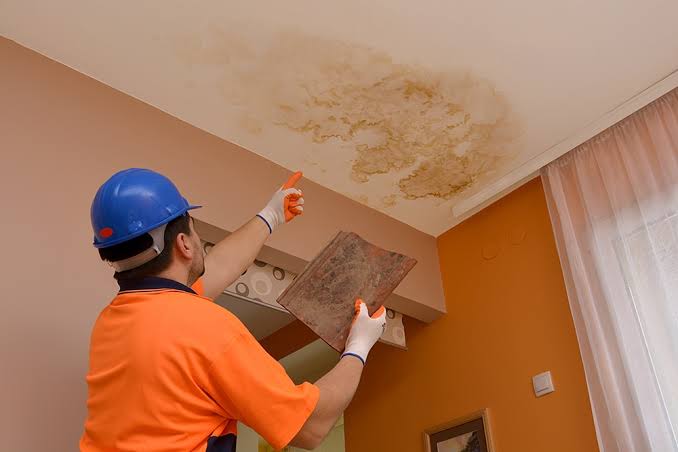
Fresh paint and stylish finishes are appealing, but they can be changed relatively easily. Instead, pay close attention to the home's structural condition.
Inspect the:
Roof
Foundation
Plumbing
Electrical system
HVAC system
A home with solid "bones" often offers better long-term value than one with beautiful finishes hiding expensive repair needs.
4. Evaluate the Neighborhood's Future
A neighborhood that's growing and improving often offers greater appreciation potential.
Watch for signs such as:
New shopping centers or restaurants
Planned infrastructure improvements
New schools or parks
Business development
Rising home values
These improvements often make an area more desirable to future buyers.
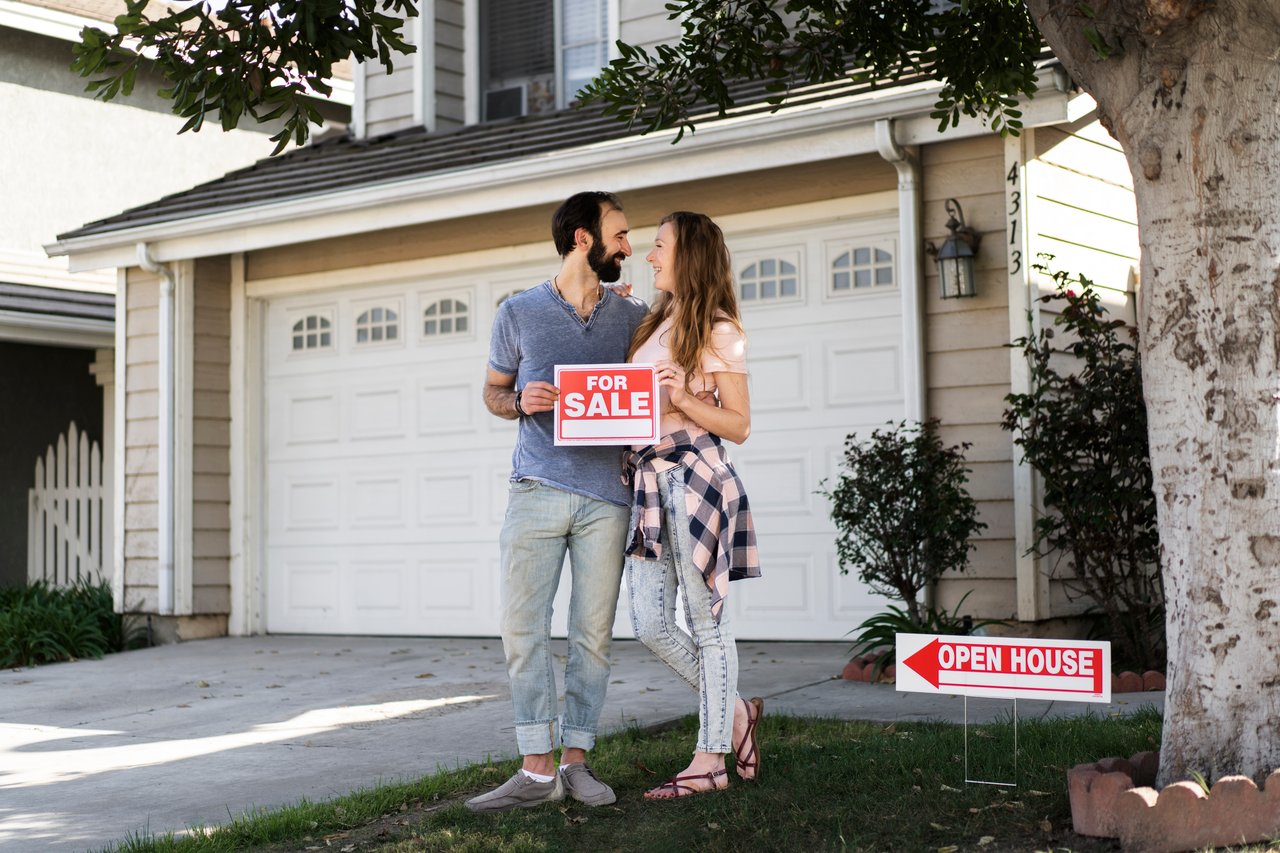
5. Don't Underestimate Curb Appeal
First impressions matter. Homes with attractive landscaping, well-maintained exteriors, and inviting entrances often sell faster and command higher prices.
Simple features like mature trees, updated exterior paint, and a clean, welcoming front yard can make a lasting impact.
6. Consider Energy Efficiency
Today's buyers increasingly value homes that help reduce monthly utility costs.
Features that can enhance resale value include:
Energy-efficient windows
Updated insulation
Smart thermostats
LED lighting
Solar panels
Energy-efficient appliances
These upgrades can make a home more appealing in a competitive market.
7. Think About Parking and Storage
Garages, extra storage, and ample parking are often overlooked during the buying process but can become major selling points later.
Whether it's a two-car garage, additional driveway space, or organized storage areas, these practical features add everyday convenience and future buyer appeal.
Buy with Confidence
No one can predict exactly what the housing market will look like years from now, but choosing a home with strong resale potential can put you in a better position when it's time to move.
The best homes combine a great location, solid construction, functional design, and lasting appeal. By looking beyond today's trends and focusing on long-term value, you'll be making an investment that can continue to pay off for years to come.
If you're thinking about buying a home, working with a knowledgeable real estate professional can help you identify properties that fit both your lifestyle and your long-term financial goals.
Stay up to date on the latest real estate trends.




You’ve got questions and we can’t wait to answer them.