How to Prevent Winter Roof Leaks
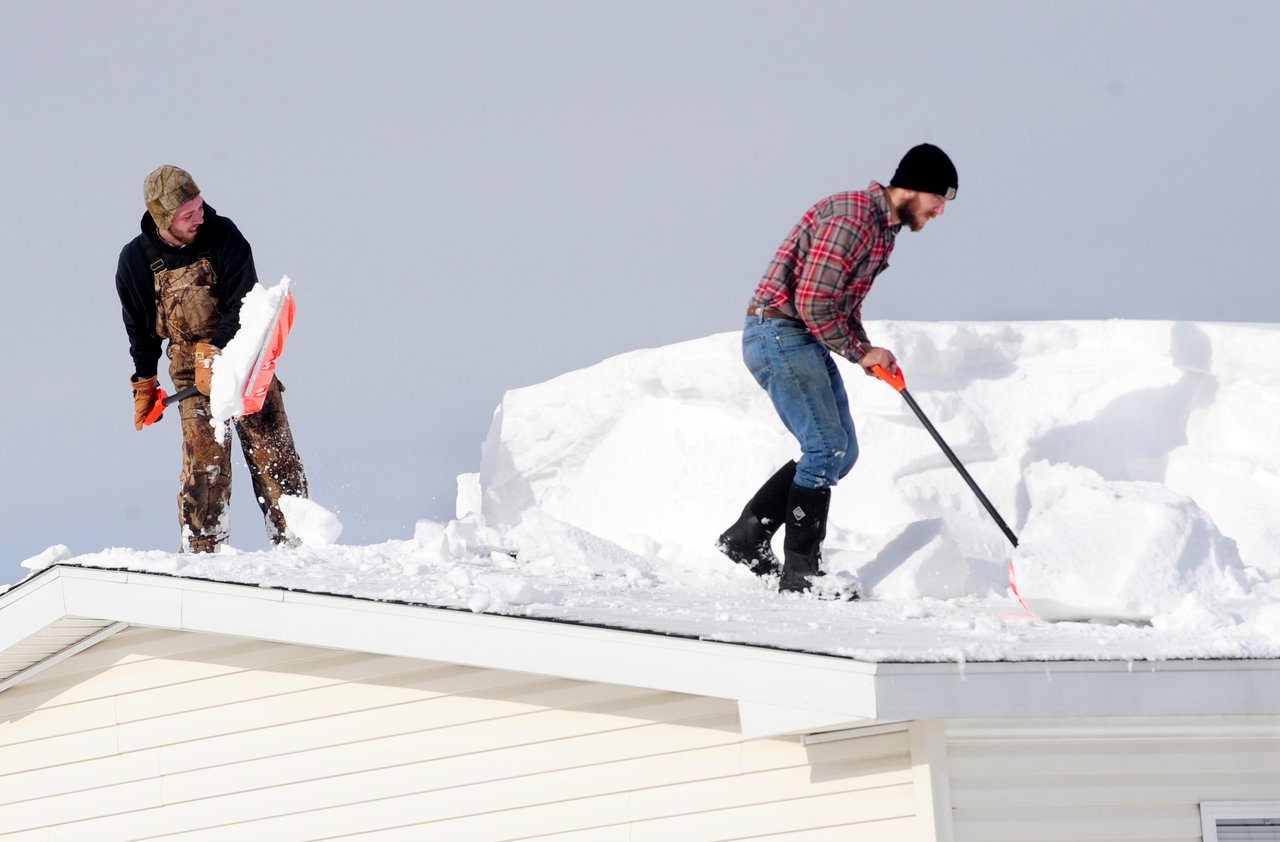
Winter can be tough on your home, especially your roof. Cold temperatures, snow, ice, and heavy rain can expose small issues that quickly turn into costly leaks. The good news? Most winter roof leaks are preventable with the right preparation. Here’s how to protect your roof before winter weather causes damage.
A pre-winter roof inspection is one of the most important steps you can take. Look for:
Missing, cracked, or curling shingles
Loose or damaged flashing around chimneys, vents, and skylights
Signs of wear near roof valleys (where water flows most)
Catching these issues early can prevent water from seeping in once temperatures drop.
Clogged gutters are a major cause of winter roof leaks. When water can’t drain properly, it backs up and can freeze, creating ice dams that push water under your shingles.
Make sure gutters are:
Free of leaves and debris
Securely attached
Draining water away from your home’s foundation
Proper drainage helps prevent water from pooling and freezing on your roof.
Ice dams form when heat escapes from your attic, melting snow on the roof. That melted snow refreezes near the edges, trapping water behind it—and that water can leak into your home.
To reduce ice dams:
Ensure your attic is well insulated
Seal air leaks around vents and attic access points
Keep your roof temperature consistent
Good ventilation helps regulate roof temperature and moisture levels. Poor ventilation can lead to condensation, mold, and roof deck damage—especially during winter.
Signs of ventilation issues include:
Frost or moisture in the attic
Mold or mildew smells
Uneven snow melting on the roof
A properly ventilated attic can extend the life of your roof and prevent leaks.
Snow and ice can weigh down tree branches, causing them to snap and damage your roof. Trimming branches away from your roof also helps reduce debris buildup in gutters and valleys.
Small roof issues don’t stay small in winter. Even a tiny crack or loose shingle can allow water to enter once snow melts or ice forms. Handling minor repairs before winter storms arrive can save you from emergency repairs later.
If you’re unsure about your roof’s condition, a professional inspection is a smart investment. Roofing experts can identify hidden problem areas and recommend preventative fixes before winter weather makes repairs more difficult and expensive.
Winter roof leaks are often the result of deferred maintenance. By inspecting your roof, cleaning gutters, improving insulation and ventilation, and addressing small issues early, you can protect your home and avoid costly water damage.
Concerned about your roof this winter? Now is the perfect time to schedule an inspection and make sure your home stays dry, safe, and stress-free all season long.
Stay up to date on the latest real estate trends.








You’ve got questions and we can’t wait to answer them.